
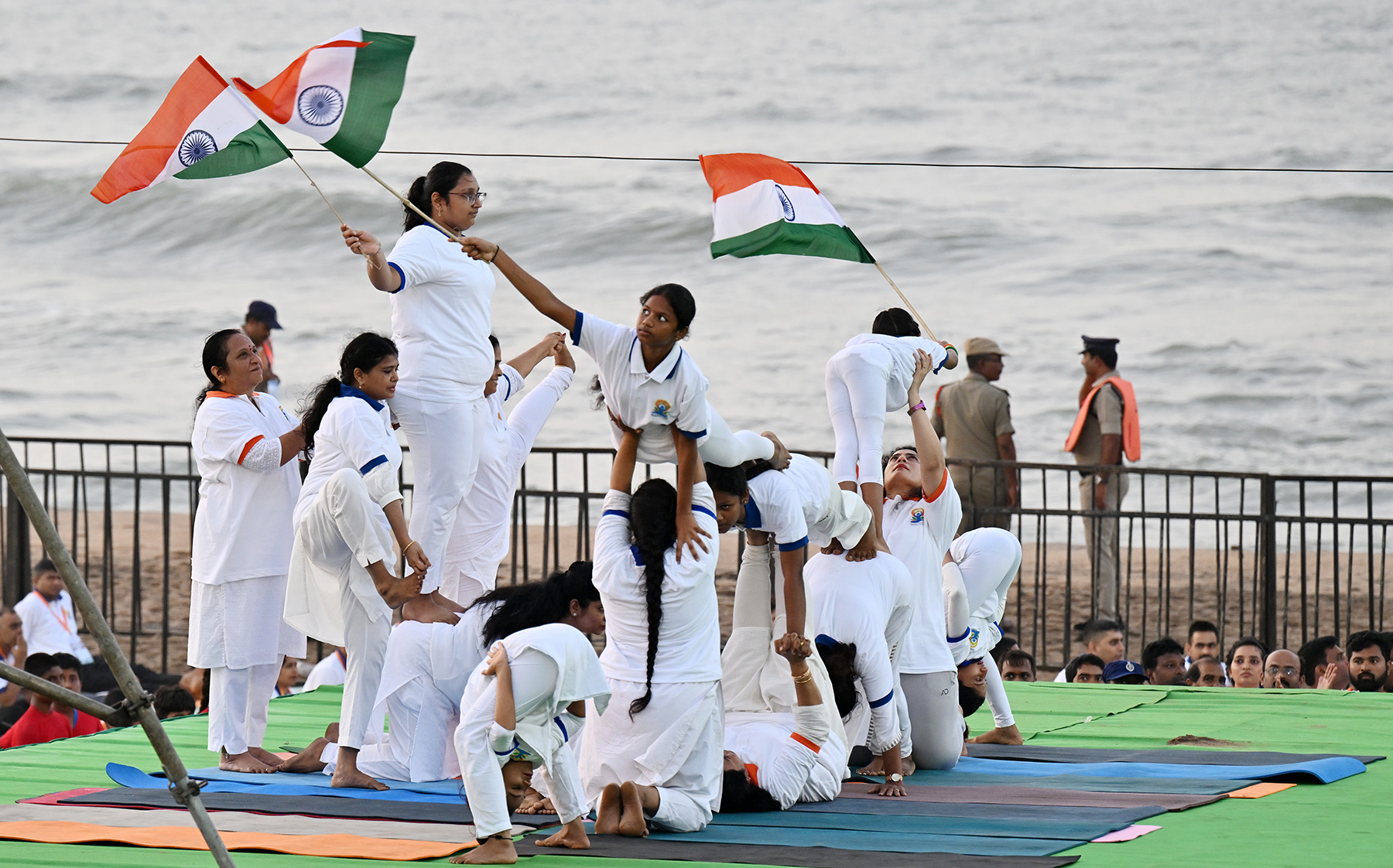
Celebrating the Spirit of Yoga and the Global Legacy of India
Yoga, an ancient Indian practice rooted in mindfulness, movement, and breath, has transcended centuries to become a global phenomenon. It is more than a physical discipline; it is a holistic path that nurtures the body, calms the mind, and uplifts the spirit. As the world awakens to the profound benefits of yoga, India continues to lead the way — not only as its birthplace but as its most passionate ambassador.
India's Gift to the World – Yoga's Global Rise
Yoga originated over 5,000 years ago in the Indus Valley Civilization and has since evolved into a global wellness movement. With practices ranging from simple breathing techniques to complex postures and meditations, yoga addresses modern lifestyle challenges — stress, anxiety, poor posture, and fatigue — with timeless wisdom.
From urban studios to rural schools, yoga bridges generations, beliefs, and backgrounds, offering a universal path to well-being.
The Visionary Leadership of PM Narendra Modi in Promoting Yoga
One of the most defining moments in yoga’s modern history was the global recognition it received under the leadership of Prime Minister Narendra Modi. In 2014, PM Modi proposed the idea of an International Day of Yoga at the United Nations General Assembly.
With overwhelming support from 177 countries — the highest number ever for a UN resolution — June 21st was declared the International Day of Yoga, aligning with the summer solstice, the longest day of the year and a symbol of light and energy.
PM Modi has consistently emphasized yoga as a unifying force — one that promotes harmony within and among communities. His call for “Yoga for Humanity” during the pandemic reflected how yoga can act as a balm during times of crisis, offering physical health and emotional balance.
Yoga is an invaluable gift of India’s ancient tradition. It embodies unity of mind and body, thought and action.
India Unites for International Yoga Day
Each year on June 21, millions of Indians from all walks of life — students, soldiers, CEOs, and spiritual leaders — roll out their mats in parks, schools, stadiums, and even along riverbanks to practice yoga together. It’s a powerful visual of national unity, health awareness, and spiritual strength.
From Ladakh’s icy plains to Kerala’s tropical beaches, from schools in rural Uttar Pradesh to IT campuses in Bengaluru, Yoga Day in India is a celebration of collective well-being.
- Large-scale events by Ministry of AYUSH
- Workshops and awareness campaigns
- Community yoga practices nationwide
Yoga – A Modern Lifeline for a Healthier Tomorrow
In today’s fast-paced world, the significance of yoga is more relevant than ever. As physical ailments rise and mental health declines, yoga offers a gentle, inclusive, and effective solution.
With its blend of asana (posture), pranayama (breathing), and dhyana (meditation), yoga empowers individuals to take charge of their own health in a sustainable way.
Let’s Celebrate Yoga – India’s Timeless Heritage
On this International Day of Yoga, let us come together — not just as Indians, but as global citizens — to celebrate yoga. Let us follow the footsteps of leaders like PM Narendra Modi, who have elevated India’s ancient wisdom to global relevance.
And let us pledge to make yoga a part of our daily lives — not just on one day, but every day.
Yoga is not just an exercise; it’s an expression of harmony. It’s not just a routine; it’s a return to our roots.
Conclusion
Yoga is not just India's legacy — it’s humanity’s lifeline. By embracing yoga, we honor our roots and create a healthier, more peaceful tomorrow.
Read WHO guidelines on yoga and physical activityTags